
By Andi Bennett, Founder of Own The Adventure
There are few things better than the feeling of sunshine on your back as you glide through open water however having lived the majority of my adult life in Australia, where melanoma is seen as the nations cancer, I know the risks of exposure, especially when it comes to water activities in the sun.
So, it becomes a fine balance because, whether it's an early morning dip, a summer lake swim or a day spent by the coast, being outdoors in the sunshine, is one of the reasons so many of us fall in love with wild swimming.
A quick recap first
The sun doesn't stop being a risk just because you're in the water.
Water reflects UV rays so despite feeling cool in the water it doesn’t means you're protected from the sun.
Water reflects ultraviolet (UV) radiation back onto your skin, meaning you can receive UV exposure both directly from the sun and indirectly from the water's surface.
This effect is even greater on bright summer days when sunlight reflects from calm lakes or the sea.
The result?
You can burn much faster than you realise.
The UK's sun is stronger than most people think
One of the biggest misconceptions is that sunburn is only a problem when you're abroad.
In reality, UV levels in the UK regularly reach high or very high during late spring and summer. Even when the air temperature feels pleasant, UV radiation can still be strong enough to damage your skin.
According to health guidance in the UK:
Around 9 in 10 cases of melanoma skin cancer are considered preventable, with excessive UV exposure being the biggest risk factor
Getting sunburned—even occasionally—significantly increases your lifetime risk of skin cancer
UV radiation can damage your skin even on cooler or lightly overcast days
As outdoor swimmers, we often spend hours around the water before and after our swim, increasing our overall exposure.
The area we forget most
Think about the last time you applied sunscreen before a swim.
Did you ask someone to do your back?
Or did you do your best to reach as much as you could?
Your upper back and shoulders are among the hardest places to apply sunscreen properly, yet they're also some of the most exposed parts of your body while swimming.
Many swimmers only realise they've missed a spot when they feel that familiar sting later in the day.
We've all been there.
A little extra coverage can make a big difference
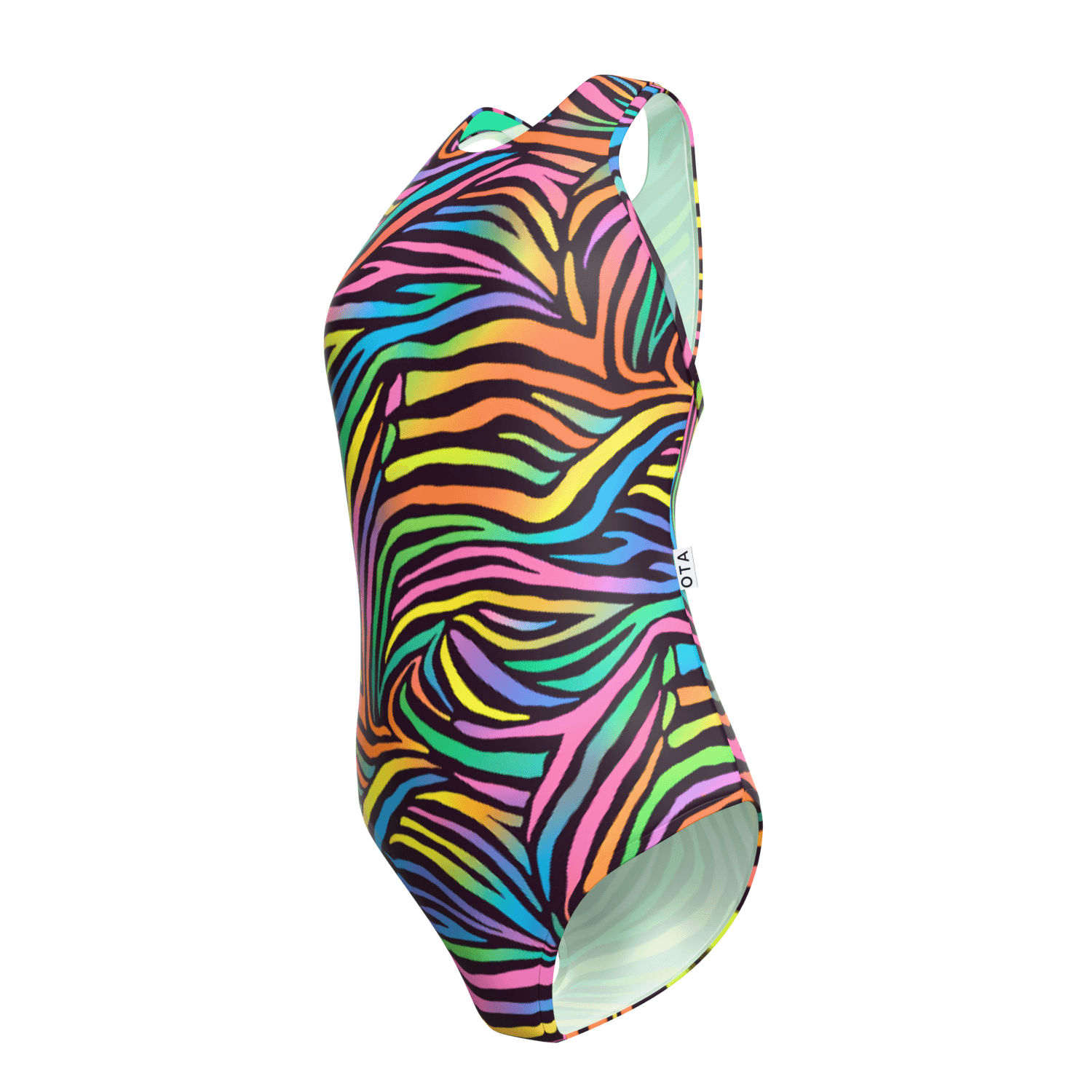
At Own The Adventure, all our swimsuits are UV protected however one of the reasons we designed our Adventure Suit with greater back coverage wasn't simply for comfort or style.
It was also about helping to reduce sun exposure in one of the hardest areas to protect.
Of course, clothing isn't a substitute for sunscreen. We still recommend applying a broad-spectrum, water-resistant sunscreen before every outdoor swim.
But having more coverage across your back can provide another layer of protection—especially during longer swims or days spent by the water.
Our top sun safety tips
Before heading out for your next adventure, remember to:
Apply a broad-spectrum SPF 30 or higher sunscreen 20–30 minutes before going outside
Reapply after swimming, drying off or every two hours if you're spending the day outdoors
Don't forget your ears, the back of your neck, the tops of your feet and your scalp if it isn't covered
Wear a hat and sunglasses before and after your swim
Seek shade during the middle of the day when UV levels are highest
Consider swimwear that provides additional coverage where it's needed most
Adventure is about looking after yourself
We believe the best adventures are the ones you can enjoy for years to come.
Protecting your skin isn't about avoiding the outdoors—it's about making sure you can keep enjoying lakes, rivers and coastlines for many summers ahead.
If you want to know your risk, there are some great websites that provide you a level of certainty about your risk factors. I only know the Australian ones really – Scan Your Skin is a good one, or Melanoma Institute Australia – which both provide great risk prediction tools.
So next time you're heading for the water, remember:
· Pack your goggles
· Pack your towel
· And don't forget the sunscreen
Because every adventure should end with tired legs, happy memories... and skin that's still smiling.